

WELCOME TO MY WEBSITE OF FOOD!!!
I hope this could make you crave enticing and exciting dishes for you and the whole family! And I hope this would make your tummy grumble (i hope you will.). But nonetheless, I haven’t made an introduction for this website! My name is Celestian or call me Xian as my nickname and this is a blog all about food. Here are some categories:
Salads:
Cobb Salad
A salad that sure doesn’t feel like one, It’s stuffed with chicken, bacon, avocado, eggs and cheese. The only way to make this dish heavier is to add bricks (bricks amiright?!).
Waldorf Salad
Unlike the many folk salads featured here, Waldorf salad was born in urban royalty. It was invented at the Waldorf Hotel in New York City in the 1890s by Oscar Tschirky, the Waldorf’s maître d’hôtel who created many of the hotel’s signature dishes.
Gado-gado
Gado-gado literally means “mix-mix.” It’s an Indonesian dish made with a variety of ingredients including potatoes, string beans, bean sprouts, spinach, chayote, bitter gourd, corn and cabbage, with tofu, tempeh and hard-boiled eggs, all of which are completely coated in peanut sauce dressing. It’s widely served at Indonesian restaurants around the world.
Nicoise salad
This French salad is sort of like an American cobb salad, except it uses tuna, green beans and potatoes instead of chicken, bacon and avocado. Like so many things we love, it comes from the Mediterranean. It was invented in Nice, France.
Fiambre
Guatemalans have a tradition in which they prepare the favorite dishes of family members that have died and bring them to graveyards to celebrate the Day of the Dead. Eventually, these various dishes were combined and turned into this all-inclusive salad. Families pass on different recipes, but fiambre usually includes sausages, cold cuts, pickles baby corn, onion, beets, pacaya flower, cheeses, olives and chicken.
Fruits:
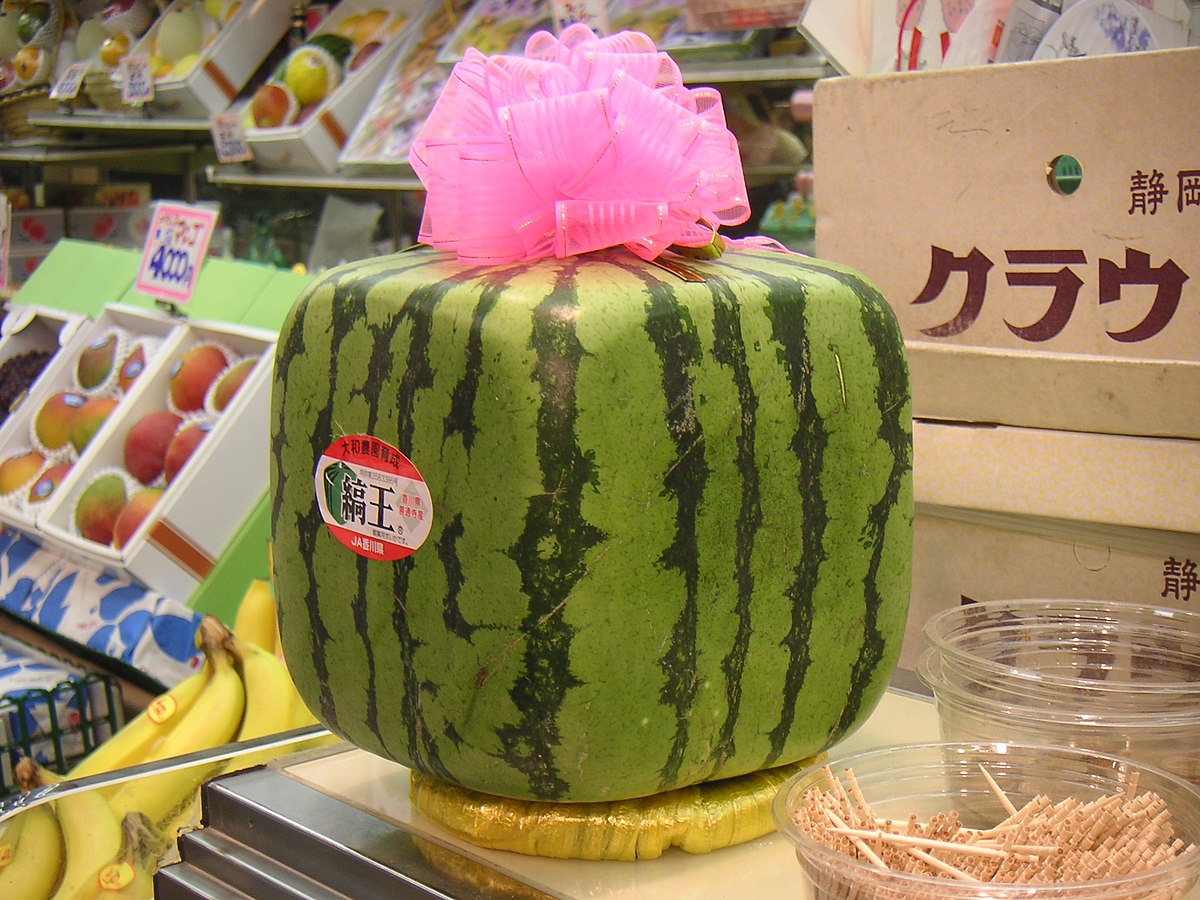
Square Watermelons
Square watermelons were intended to fit more compactly in fridges and be able to be cut more easily (without rolling). They were invented by graphic designer Tomoyuki Ono in 1978. She presented the watermelons in a gallery in Ginza, Tokyo. She also applied for and received a patent in the United States. According to the BBC, the watermelons were invented during the 1980s by a farmer who lived on Shikoku in Zentsuji, Kagawa.
Rambutan
The rambutan is native to the Malay-Indonesian region, and other regions of tropical Southeast Asia. It is closely related to several other edible tropical fruits including the lychee, longan, and mamoncillo.
Granny Smith Apples
The Granny Smith is a tip-bearing apple cultivar, which originated in Australia in 1868. It is named after Maria Ann Smith, who propagated the cultivar from a chance seedling. The fruit has hard, light green skin and a crisp, juicy flesh.
Dragon Fruit
To be honest, dragon fruit isn’t that tasty. It’s got a light, crisp texture and a pleasant tinge of sweetness, but the real appeal is in how it looks. It has a dramatic, curling red skin that looks like a sci-fi plasma grenade, and the flesh is a snowy white with black seeds. Eaten cold, it’s very refreshing, but it’s more of an opportunity to show off your sophistication and refined taste in fruits on Instagram than anything else.
Mangosteen
From what I hear from my family and friends, mangosteen is the new cool fruit that East Coasters think they’ve discovered. They’re fairly common in Southeast Asia and, despite their name, have nothing to do with mangoes. They’re little purple lumps you can crush open with the balls of your hands, revealing small seeds covered in a sweet white flesh.
Pastas:
Pappardelle
A wide egg noodle with Tuscan origins, pappardelle is often served with hearty meat sauces, as in our decadent bolognese recepie.
Farfalle
Also called bow tie pasta for its shape, farfalle (the Italian word for butterfly) makes a great cold pasta salad, and can also dress up a warm bowl of meat and veggies, as in our Prosciutto and Pea Farfalle recipe.
Angel Hair
Angel hair is the thinnest type of pasta, made of long, very fine strands that cook quickly. Use delicate sauces with this narrow noodle, like a light tomato sauce or a broth, or simply cook it with butter and oil.
Ravioli
You know this one well, we assume, as ravioli can pretty much do anything. These square pillows of dough can be filled with cheese, meat, veggies, or even seafood—hello, lobster ravioli—and served topped with sauce, in soups, or simply drizzled with olive oil.
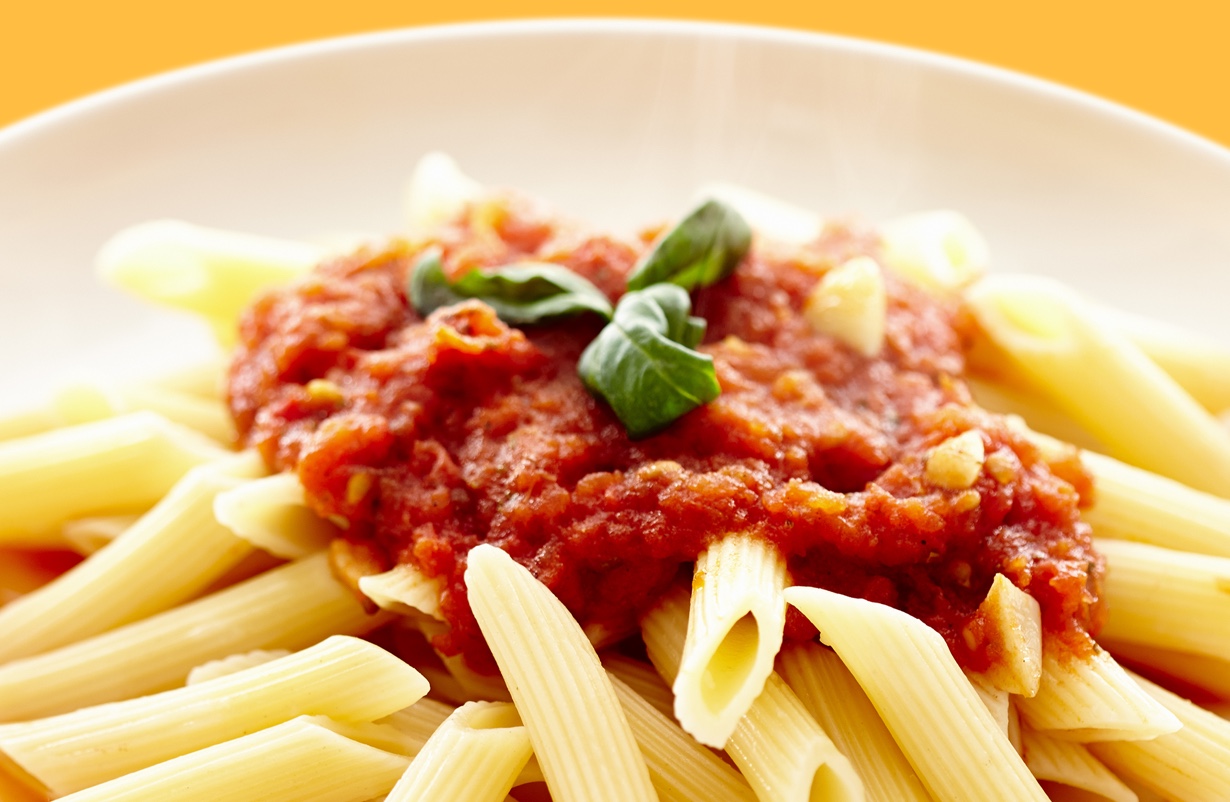
Penne
This tube-shaped pasta is about two inches long and cut diagonally at both ends, making it a perfect bed for most sauces and toppings. Greek Pastitisio, anyone?
Philippine Foods
Chicken Adobo
Chicken adobo is one of the most famous foods to try in the Philippines, known and loved by everyone. Adobo means “marinade” in Spanish and this is just that: chicken (or pork) marinated in a mixture of soya sauce and vinegar.
Balut
Balut is a developing duck embryo boiled and eaten as a snack in the shell and with a splash of vinegar. This is definitely one of the most famous foods to try in the Philippines. Balut is a popular street food, which originated in the Philippines and is also frequently found in Vietnam, Laos and Cambodia. The ideal age of the duck embryo is 17 days, when the chick is not old enough to fully show its beak, feathers, claws and the bones are undeveloped.
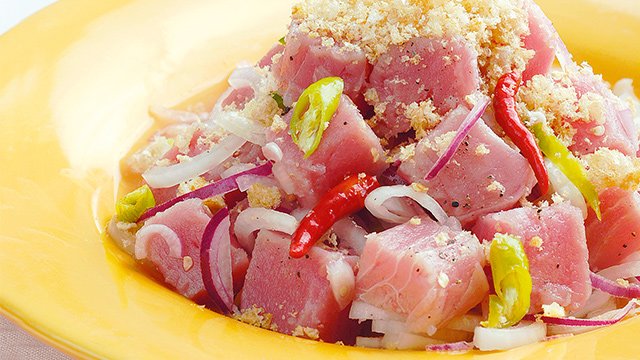
Kinilaw
It is a raw fish salad served in an acidic juice, usually kalamansi (Filipino lime) and vinegar, which “cooks” the meat. Kinilaw comes from the word, “kilaw” which means, ‘eaten fresh’. Other ingredients usually include garlic, ginger, onion, pepper and chilli.
Dinuguan
The most popular term dinuguan and other regional naming variants come from their respective word for “blood” (e.g. “dugo” in Tagalog means “blood” hence “dinuguan” as “to be stewed with blood”). Possible English translations include pork blood stew or blood pudding stew. Dinuguan is also called sinugaok in Batangas, zinagan in Ibanag, twik in Itawis, tid-tad in Kapampangan, dinardaraan in Ilocano, dugo-dugo in Cebuano, rugodugo in Waray, sampayna or champayna in Northern Mindanao and tinumis in Bulacan and Nueva Ecija. Another name for dinuguan is “chocolate meat”.
Halo-halo
Halo-halo (assorted) is a popular Filipino cold dessert which is a concoction of crushed ice, evaporated milk and various ingredients including, among others, sweetened beans, coconut julienes, sago, gulaman (sea
weed gelatin), pinipig rice, boiled root crops in cubes, fruit slices, flan, and topped with a scoop of ice cream.
Ice Cream:
Raw Horse Flesh
There are two dozen attractions within Tokyo’s indoor amusement park, Namja Town, but it would be easy to spend all of your time there pondering the many out-there flavors at Ice Cream City, where Raw Horse Flesh, Cow Tongue, Salt, Yakisoba, Octopus, and Squid are among the flavors that have tickled (or strangled) visitors’ taste buds.
Pickled Mango
Pickled Mango, a cream cheese-based ice cream with a slightly spicy mango sauce made of white balsamic vinegar, white pepper, allspice, and clove.
Pear with Blue Cheese
Where sugar and spice blend together nicely with flavors like Strawberry Honey Balsamic Strawberry With Cracked Pepper and Pear With Blue Cheese, a well-balanced mix of sweet Oregon Trail Bartlett Pears mixed with crumbles of Rogue Creamery’s award-winning Crater Lake Blue Cheese. Yum?
Ghost Pepper
Ghost Pepper is a really really spicy and one of the most spiciest chilli in the world. So imagine if you put ghost pepper on an ice cream? Well you might not cooldown your throat because of its cool but really spicy ice cream. Kinda ironic ya know?
Lobster
A butter ice cream-based treat with fresh (again buttered) lobster folded into each bite. If you wanna have a buffet filled with lobsters but an ice cream, try this one out!
That’s all that I can make the list now. I hope you enjoy these type of foods and make sure you will love to eat these around the world. Thank you!










 Celestial Cuisine